Set a reading intention for 2026
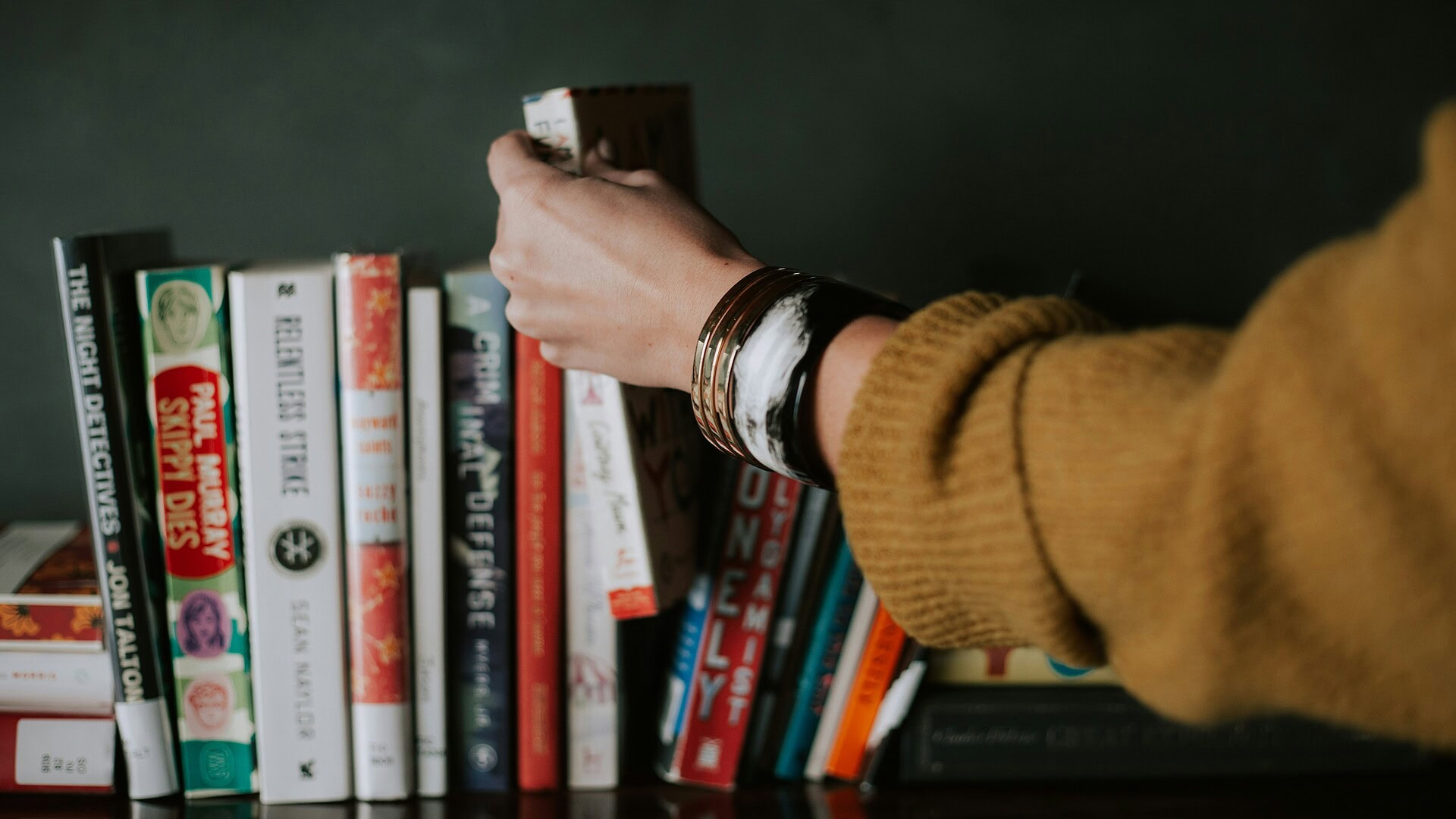
If you’ve ever looked up from your phone and thought, “I wish I read more,” you’re not alone. Busy schedules and endless scrolling can be overwhelming. Setting a reading goal—or reading intention—for 2026 can help you refocus, build a habit, and make space for stories again.
A good reading goal isn’t about pressure. It’s about purpose. It gives you a reason to pick up a book, press play on an audiobook, or visit your library. It helps turn reading into something you actually do, not just something you plan to do.
Reading goals give your brain a clear target. They help build motivation and momentum, create consistency (the key to any habit) and reconnect you with curiosity, creativity, and joy.
Progress—not perfection—is what matters most. A reading goal doesn’t have to be about the number of books you finish. The best goal is the one that fits your life. Consider goals like:
- Pages read over the year
- Minutes per day or week (especially great for audiobooks)
- Mixing formats: print, ebooks, and audio all count
- Exploration goals: trying new genres, authors, or perspectives
Reading widely can be just as meaningful as reading often. But remember – make your goal SMART Specific (read 15 minutes a day or 12 books this year); measurable (pages, minutes, or titles); achievable (realistic for your schedule); relevant (supports your well-being or learning) and time-bound (tied to 2026 or broken into monthly goals).
Tracking progress can make reading more gratifying. There are several options to help you:
- Goodreads for annual goals and book lists
- Fable for reading plus community discussion
- Beanstack for the whole family (make sure you connect to Fulton County Library System!)
- Your library card to track your borrowing history
- A simple notebook or notes app
Setting a reading intention for 2026 isn’t about competition. It’s about carving out time for stories, ideas, and quiet moments that feed your mind. Libraries are here to help—with books, audiobooks, and welcoming spaces that make reading possible for everyone.
Whether your goal is five minutes a day or fifty books a year, every page counts. What will you read in 2026?
Photo by Christin Hume on Unsplash